

Constitution Day is September 17. If you are teaching it at home this year, you are teaching it in the 250th year of the Declaration — and that combination trips up more people than almost anything else in American history.
I build immersive history experiences for kids, which means I spend a lot of time watching where the confusion actually lives. Here are the ten I see most, and how to untangle each one at the kitchen table.
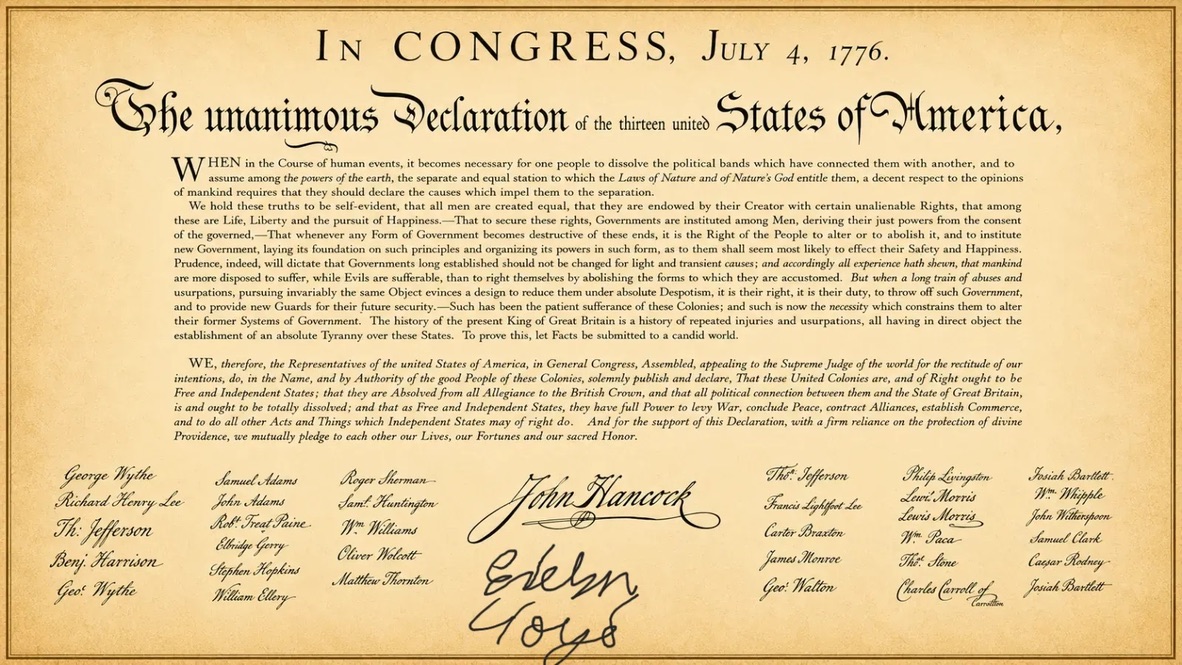
1. The Declaration and the Constitution are not the same document
They’re eleven years apart. 1776 and 1787. Different purposes, different authors, different problems.
The clean version for a nine-year-old: the Declaration says why. The Constitution says how. Why we’re leaving. How we’ll govern ourselves once we have.
If a kid takes away nothing else on September 17, take that one.
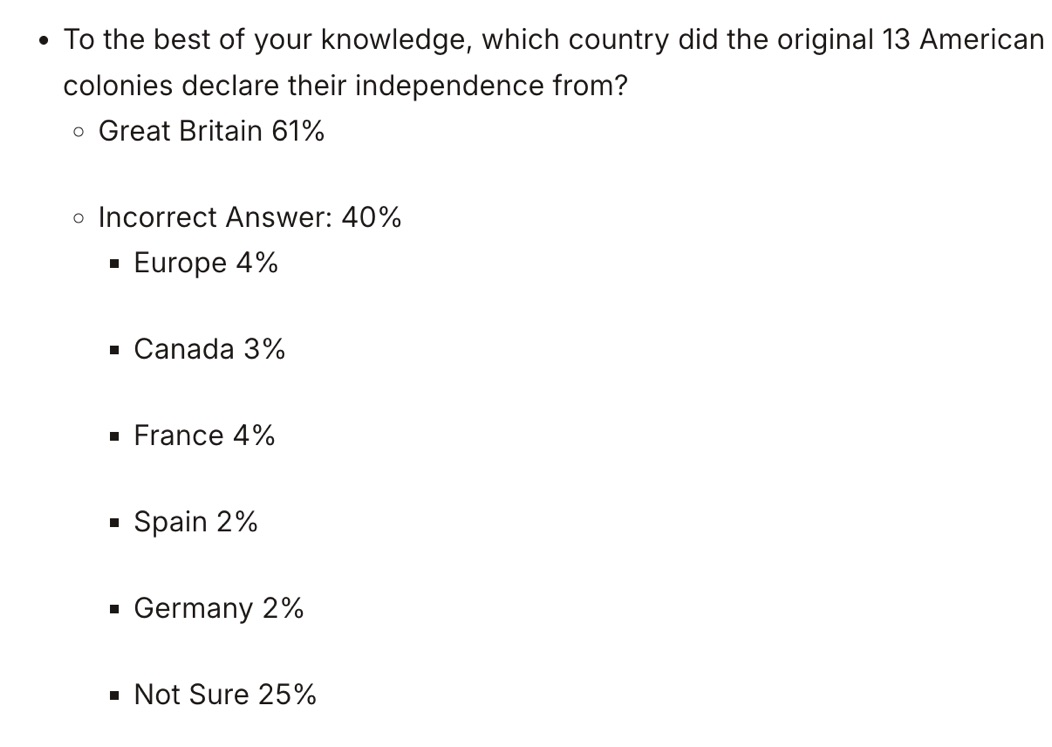
2. The Constitution wasn’t the first plan — it was the second
Between the two came the Articles of Confederation, and they didn’t work. No power to tax, no real executive, near-impossible to amend.
This matters more than it sounds. The Constitution wasn’t handed down; it was a rewrite after a failure. Kids who know America’s first attempt at government flopped tend to find the second attempt far more interesting.
3. July 4 isn’t the day it was signed
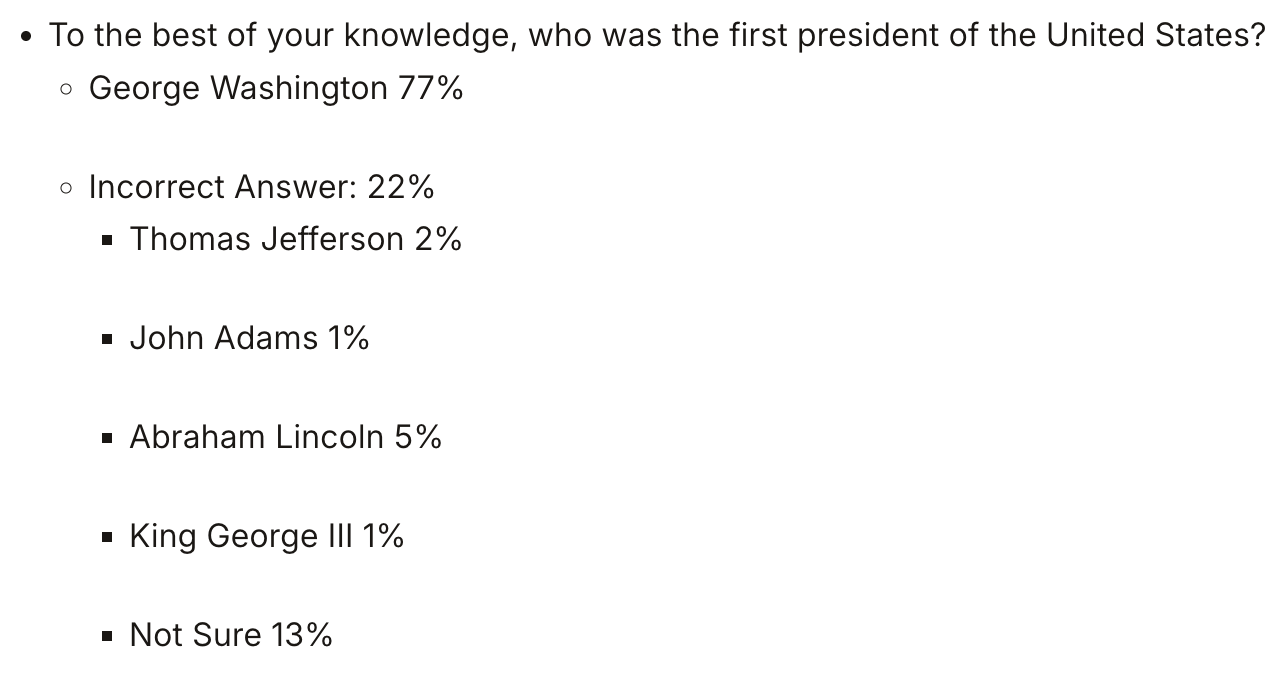
It’s the day the wording was approved. Most delegates signed on August 2, 1776, and some signed later still.
September 17 is a signing day, though — that’s exactly why Constitution Day falls there. The Constitution was signed September 17, 1787.
4. Jefferson didn’t write it alone, and it wasn’t his final word
There was a Committee of Five: Jefferson, Adams, Franklin, Sherman, Livingston. Jefferson held the pen. Then Congress cut about a quarter of what he wrote.
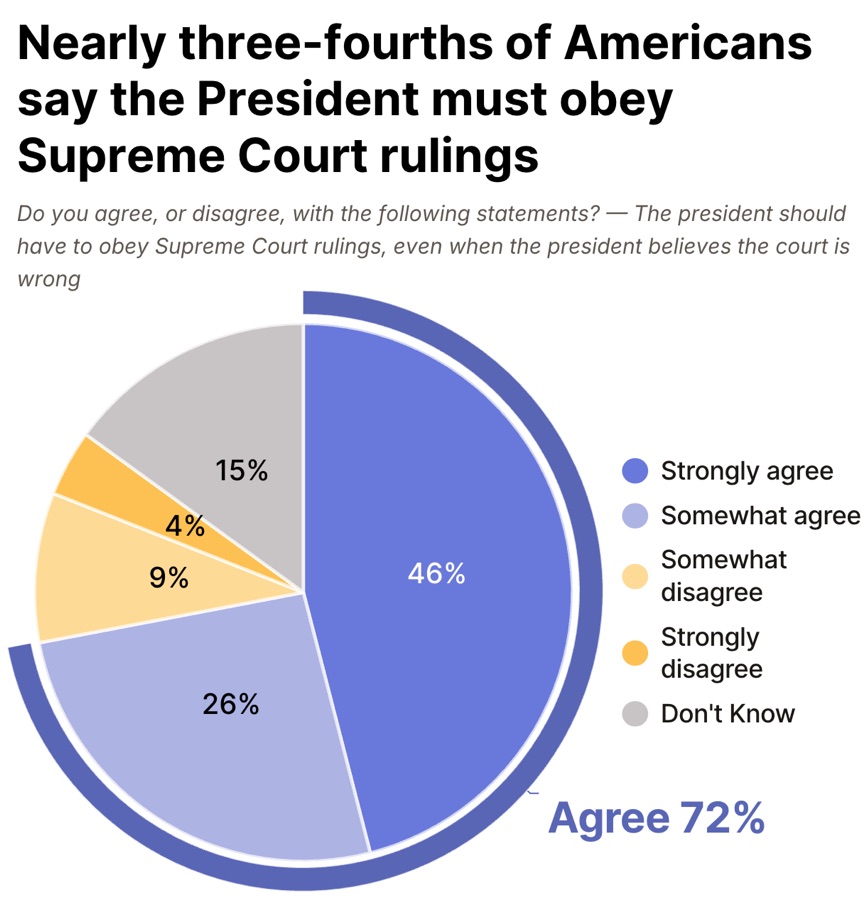
The revision is the good part. Kids assume great documents arrive finished. This one got argued over, marked up, and shortened — which is a much more useful thing for a kid to know about writing.
5. “All men are created equal” was written by a man who enslaved people
Don’t route around this one. Kids find out, and finding out later feels like being managed.
The honest framing works at any age: the promise was written down before the country was willing to keep it, and Americans have spent 250 years arguing about who “all” includes. Frederick Douglass and Abraham Lincoln both made their case by holding the country to its own sentence — not by throwing it out. That is the single most useful thing a kid can understand about the Declaration.
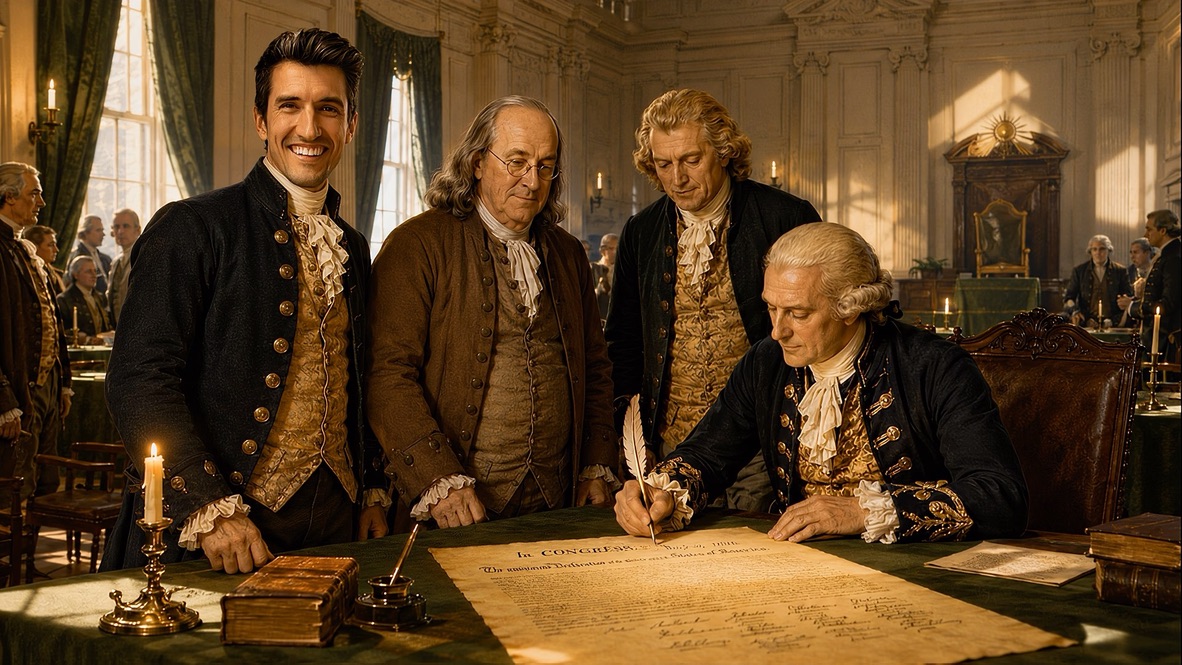
6. The Bill of Rights was not in the original Constitution
It’s the first ten amendments, ratified in 1791 — added because several states refused to ratify without them.
So the rights kids know best were a condition of the deal, not the opening offer.
7. “Separation of church and state” isn’t in the Constitution
The First Amendment’s actual words are the establishment and free-exercise clauses. The phrase comes from a Jefferson letter in 1802.
Whatever you conclude about it, teach the primary text first and the interpretation second. That habit — read the source, then read what people said about the source — is worth more than any single fact.
8. Three branches, but the point is the checks
Most kids can recite legislative, executive, judicial. Far fewer can say what stops any one of them.
Skip the diagram, ask the question: What happens if Congress passes a bad law? Work it out loud — veto, override, courts. Structure makes sense once a kid sees the problem it was built to solve.
9. It was signed in the same room
Independence Hall, Philadelphia. Both documents. Eleven years apart. Six men signed both — Franklin, Sherman, Robert Morris, George Read, George Clymer, and James Wilson.
Franklin was 70 at the first and 81 at the second, and had to be carried to the hall in a sedan chair.
10. It was designed to be changed
Twenty-seven amendments. The framers built in Article V on purpose because they expected to be wrong about things.
A document you’re allowed to fix is a different kind of object than a document you must simply obey — and it’s the reason a kid gets to have an opinion about it at all.
Teaching it on September 17
Federal law asks schools receiving federal funds to hold an educational program on Constitution Day. Homeschools aren’t bound by that, but the date is a good peg — and a 45-minute lesson clears it.
I’ve put together a free printable one-page lesson plan — “Why, then How” — 45 minutes, no prep, grades 3–8. It’s yours to download and keep whether or not you ever open my app.
[Download the free Constitution Day lesson plan →] (link: immersivehistory.com/constitution-day)
Jarom Sidwell spent years in Hollywood visual effects production — Avatar, The Avengers — before building immersive history experiences for kids. His newest, 1776, lets kids walk into Independence Hall, meet the founders, work through the wording of the Declaration with Jefferson, and sign it themselves. Free to download on iPhone and iPad, with a one-time $5 unlock. immersivehistory.com/1776