

Every homeschool parent has had some version of this thought: we should really take them to Philadelphia.
And then you price the flights. Or you look at the calendar. Or you remember that the last long car trip ended with someone throwing up outside a gas station in Nebraska.
So here’s the honest version of the question — not the marketing version. What does a real field trip give a child that a virtual one can’t? And what, if anything, does a virtual one do better?
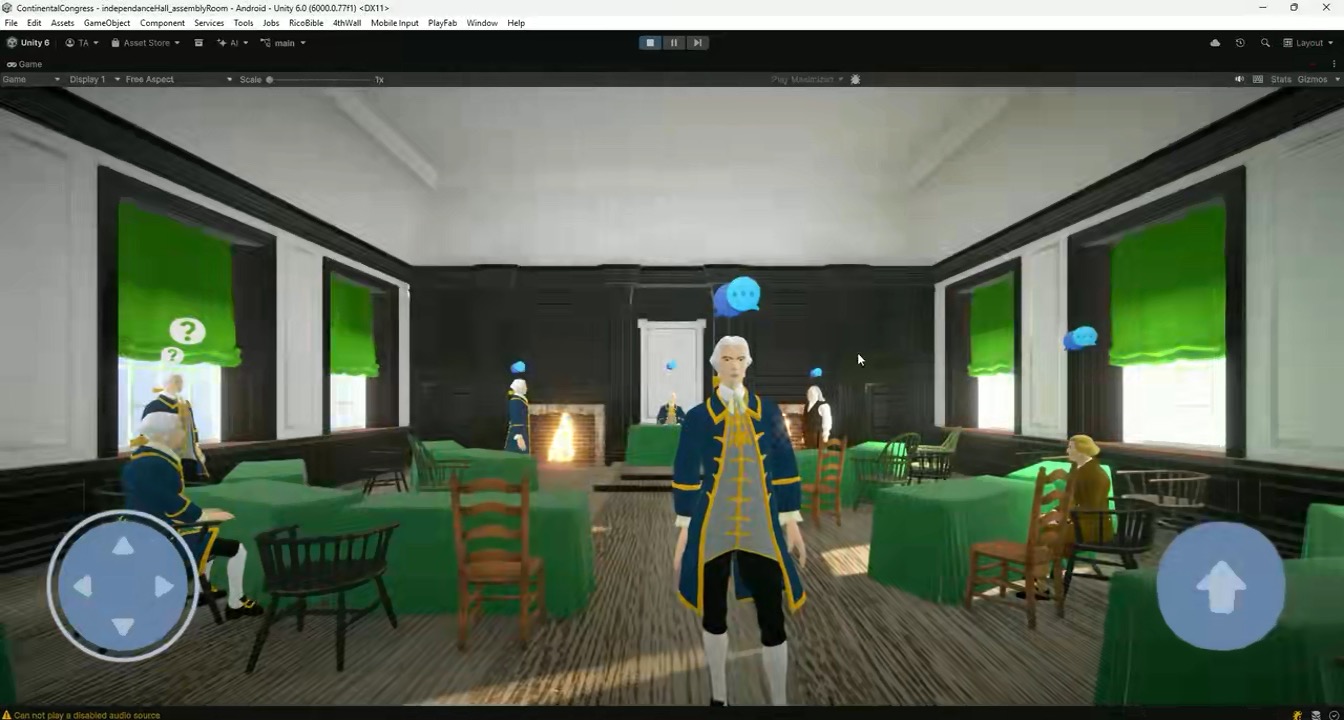
What a real field trip does that nothing else can
Let’s not undersell it. Standing in a place where something happened does something to a person.
Scale lands in your body. A room is smaller than you pictured. A ceiling is lower. The chair Washington sat in is a chair, not a symbol. Kids come away with a physical sense of proportion no photograph delivers.
It feels real because it is. There’s a difference between knowing the Declaration was debated and standing in the room where the arguing happened. That difference is hard to name and easy to feel.
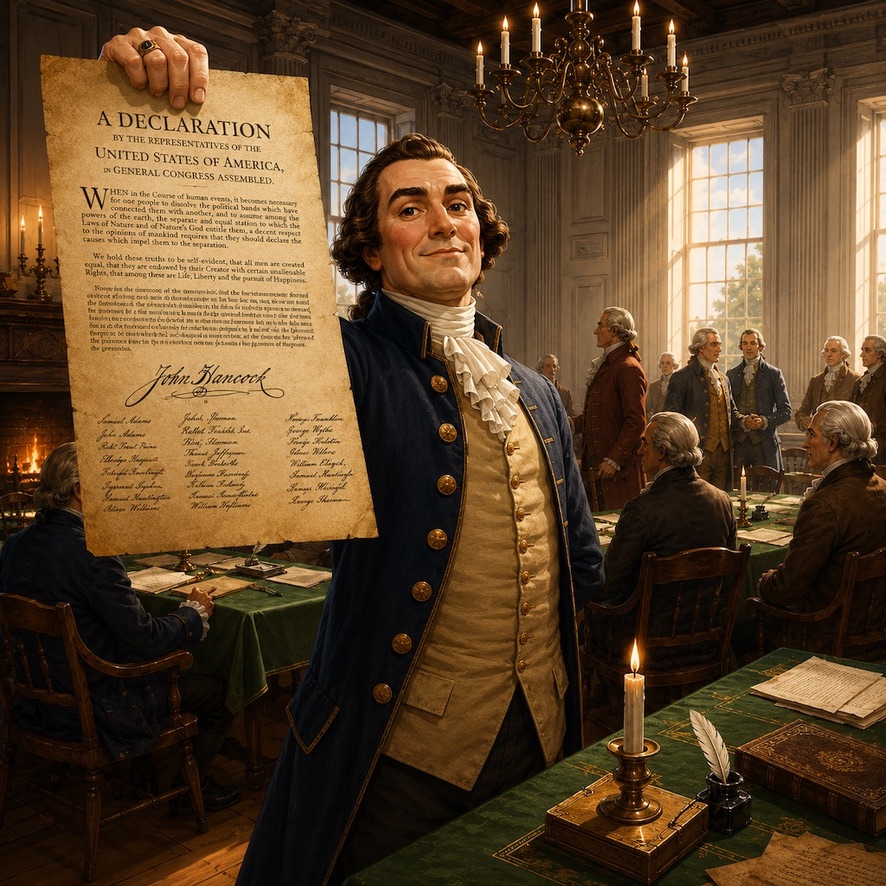
The day itself becomes the memory. The tickets, the walking, the terrible parking, the ice cream after. Kids remember the whole day, and the history rides along with it.
If you can go, go. Nothing here is an argument against Philadelphia.
What a real field trip is actually like with kids
But since we’re being honest, the trip has some well-known failure modes:
- You get one pass. One visit, one guide, one shot at attention. If your eight-year-old is tired, that’s the visit you get.
- You mostly look, you don’t touch. Ropes, glass, “please stay behind the line.” The most interesting things are the least touchable.
- The tour is pitched at adults. Guides are good, but the average tour assumes background knowledge a child doesn’t have yet.
- Cost and distance are real. For most families, Independence Hall is a once-in-childhood event, not a Tuesday.
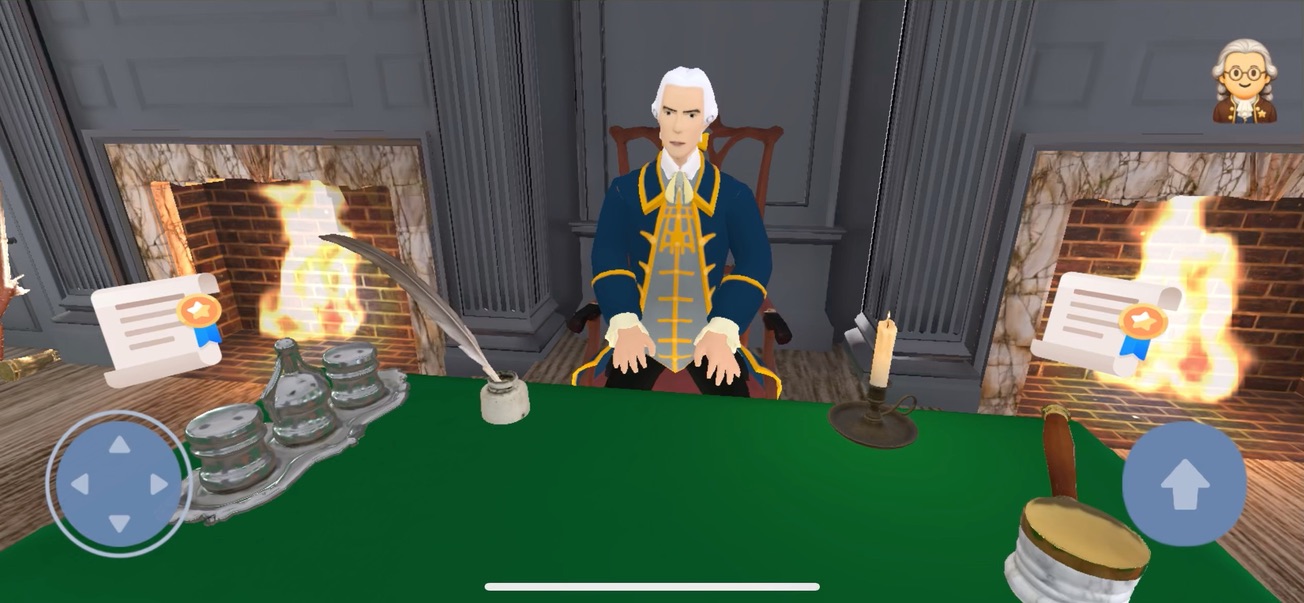
None of this makes the trip not worth it. It just means the trip alone doesn’t teach the Declaration.
What a virtual field trip does well
A good virtual experience isn’t a lesser version of the real thing. It’s a different tool, and it’s better at some specific jobs.
Repetition. A child can walk into the same room eleven times. The eleventh time, they notice things they missed the first ten. You can’t do that with a plane ticket.
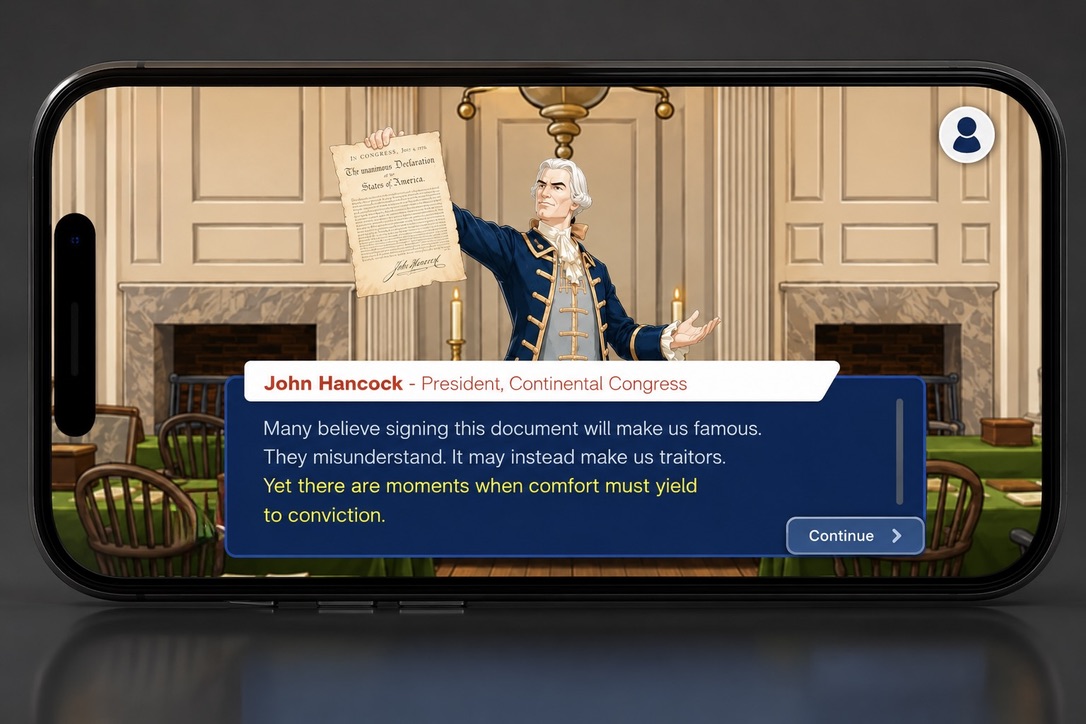
Interaction instead of observation. This is the big one. On a real tour, a child watches. In a well-built virtual experience, a child does — picks things up, talks to people, makes a choice, writes something down. The difference between watching and doing is most of the difference in what gets remembered.
The pacing is theirs. No group to keep up with. A kid who wants to spend nine minutes on one document can spend nine minutes on one document.
It happens on a school day. Which means it happens at all.
It can put the child inside the event. A real tour can show you where the delegates argued. A virtual one can let a child sit in on the argument — hear the objections, see the crossed-out lines, help decide what stays in.
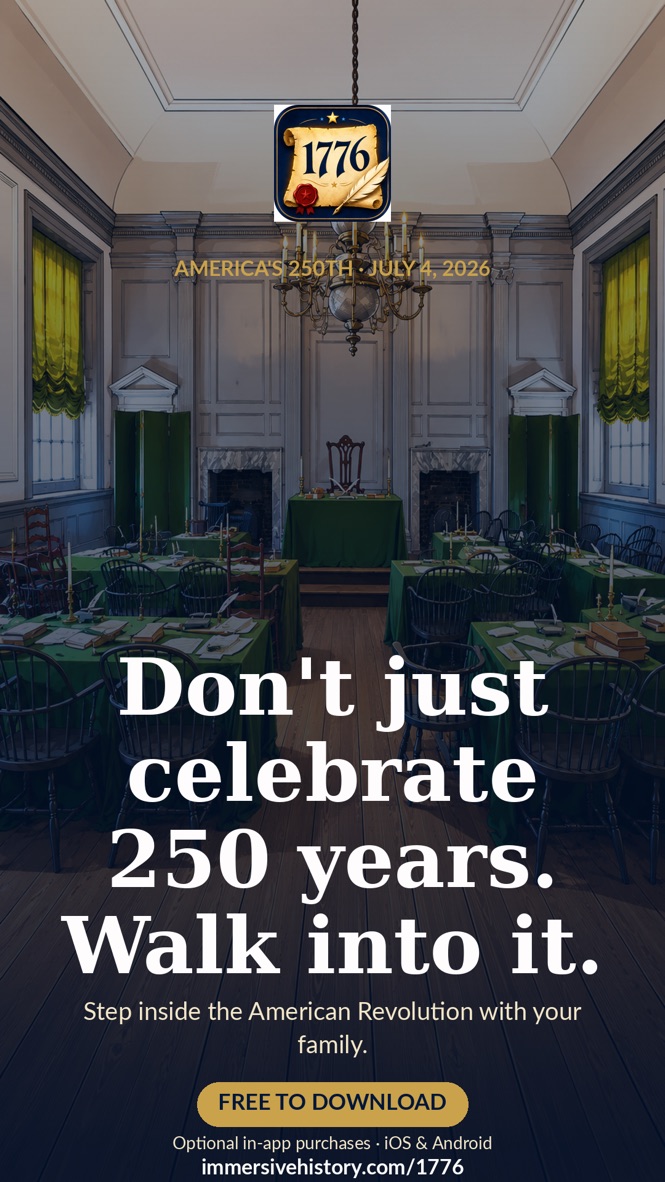
That last one is why we built 1776 the way we did. Kids don’t tour Independence Hall; they walk in, meet the founders, work through the wording of the Declaration with Jefferson, and then sign it themselves. The signing lands the way it does precisely because they had to do the work first.
One mom told us her nine-year-old came out of the room and announced at dinner that she had “signed the Declaration.” Not read about it. Signed it.
The honest comparison
| Real field trip | Virtual field trip | |
|---|---|---|
| Sense of place | Unmatched | Good, not the same |
| Repeatable | No | Yes, endlessly |
| Child interacts | Rarely | Constantly |
| Pitched to a child | Sometimes | By design |
| Cost & planning | High | Low |
| Can happen this week | Usually no | Yes |
Read that table honestly and the conclusion isn’t “one beats the other.” It’s that they’re complementary — one gives the feeling, the other gives the understanding.
The order that works best
If you can do both, do them in this order:
1. Virtual first, real second.
This is counterintuitive, and it’s the single most useful thing in this post. A child who already knows who Franklin was, what the delegates fought over, and why the phrase “pursuit of happiness” mattered will walk into the actual building and recognize it. A child who arrives cold spends the visit trying to figure out what they’re looking at.
Front-load the understanding. Let the trip supply the awe.
2. Give the trip one job.
Don’t try to teach the whole Revolution in an afternoon in Philadelphia. Pick one thing — the room, the signatures, the scale of it — and let the rest be atmosphere.
3. Come home and do it again.
Post-trip, let them return to the virtual version. It’s astonishing how much more they see once they’ve stood in the real room.
If you can’t go at all
Most families can’t, and that’s genuinely fine. A child who never sees Philadelphia can still understand the Declaration deeply — because understanding comes from wrestling with the ideas, not from proximity to the furniture.
What you can do instead:
- Pair it with a living book about one signer, so a real person anchors the events.
- Print the Declaration and let them find the phrase they’d have argued about.
- Let them narrate it back — the retelling is where it consolidates.
- Do something with their hands — a quill and ink, a copied line, a signature of their own.
- Go local. Nearly every state has Revolution-era or founding-era sites, cemeteries, or museums closer than you think. This is the 250th year; many are running programming.
The point of a field trip, real or virtual
The reason we take children to places is not to check a location off a list. It’s to move history from information to experience — from something a kid was told to something a kid was part of.
A trip to Philadelphia can do that. So can a Tuesday morning at your kitchen table, if the thing on the screen asks the child to participate instead of watch.
Ideally, do both. But do at least one — and don’t let the impossibility of the first stop you from the second.
1776 lets kids step into Independence Hall, meet the founders, help Jefferson work through the Declaration, and sign it themselves. It’s on iPhone and Android — a one-time $5 unlock, no subscription. Built by a former Hollywood VFX artist (Avatar, The Avengers) who wanted his own kids to feel history instead of just read it.