

Every September 17, schools across the country mark Constitution Day — the anniversary of the day in 1787 when thirty-nine men signed the document that still governs the United States. Federal law requires any school receiving federal funds to hold an educational program that day, which is why it turns up on so many calendars.
But “hold a program” can mean almost anything. And there is a good reason to make it count this year.
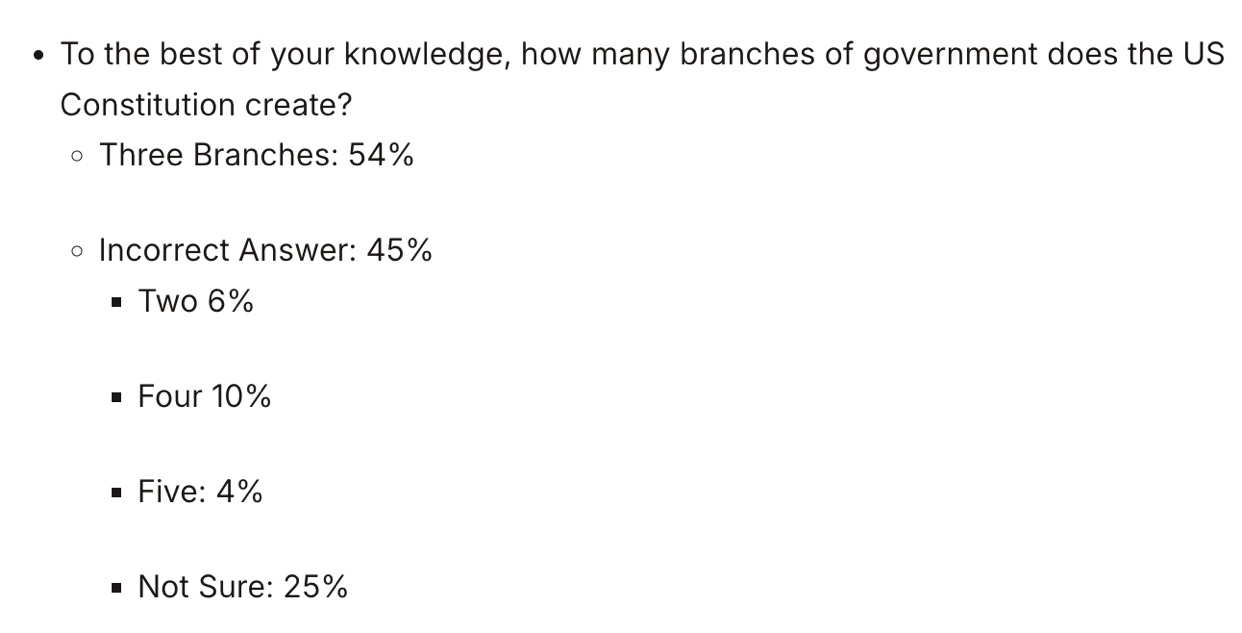
In the Cato Institute’s 2026 4th of July National Survey, 45% of American adults could not say how many branches of government the Constitution creates. A quarter of respondents simply weren’t sure. This is the single most basic fact about the document, and it is a coin flip.
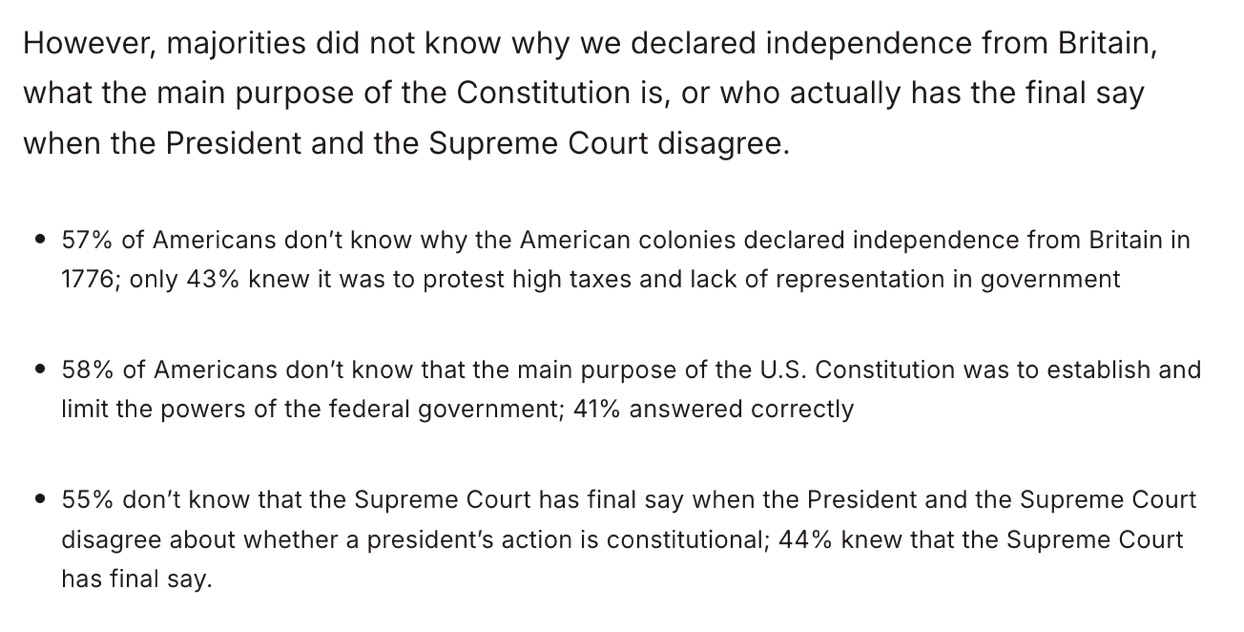
It gets starker. In the same survey, 58% did not know that the main purpose of the Constitution was to establish and limit the powers of the federal government, and 55% did not know that the Supreme Court has the final say when the President and the Court disagree about whether an action is constitutional.
So if you’re homeschooling, running a co-op, or you simply want the day to land at your kitchen table, here’s what actually works with kids. None of it takes more than an afternoon.
First: help them tell the two documents apart
This is the single most useful thing you can do on September 17, and most kids never get it clearly.
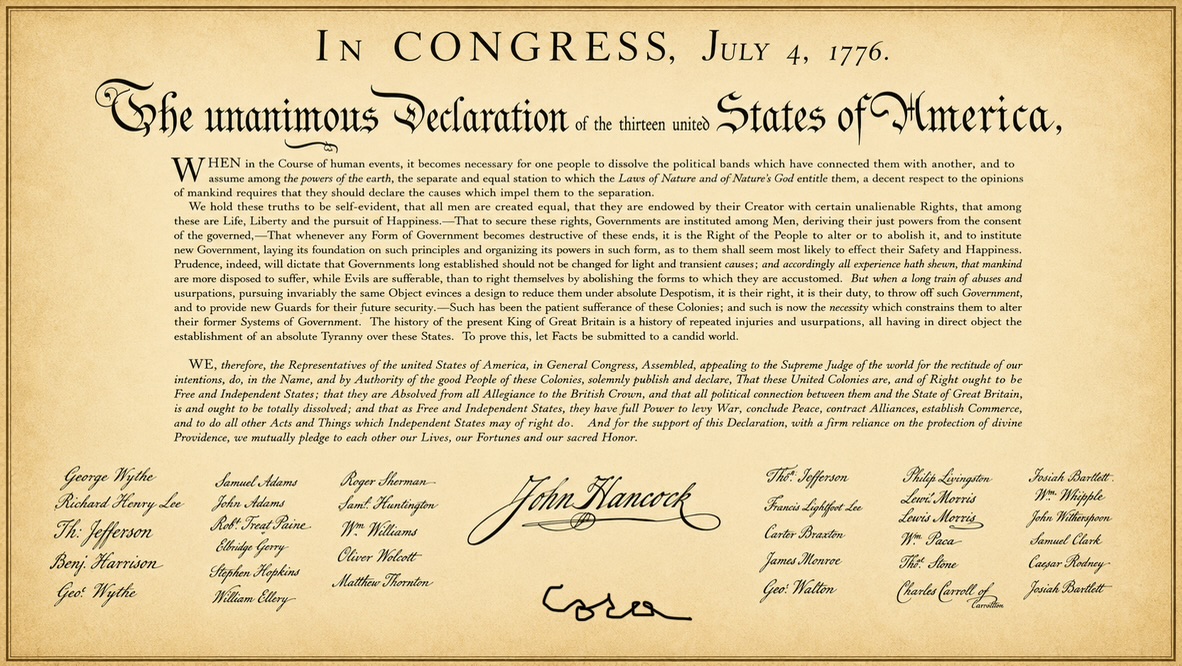
The Declaration of Independence (1776) is a breakup letter. It says: we’re leaving, and here’s why. It’s an argument — that people have rights, that governments exist to protect them, and that when a government stops doing that, people can start over.
The Constitution (1787) is an owner’s manual. It says: now that we’re on our own, here is exactly how this thing runs. Who makes laws. Who enforces them. Who settles arguments. What happens when we want to change it.
Eleven years separate them, and they were signed in the same room in Philadelphia. That gap matters. The country tried something else first — the Articles of Confederation — it didn’t work, and the Constitution was the second attempt.
A one-line version kids remember: the Declaration says why; the Constitution says how.
Five low-prep Constitution Day activities
1. Write your own household constitution.
Give everyone a say. What are the rules? Who decides? How do you change a rule you don’t like? Kids discover the hard parts fast — someone always wants a rule the others won’t agree to. That’s the whole 1787 convention in miniature, and it usually gets loud in about six minutes.
2. Read the Preamble out loud — all of it, once.
It’s fifty-two words. Read it slowly, then translate it line by line together. “Promote the general welfare” and “secure the blessings of liberty to ourselves and our posterity” are each worth ten minutes of conversation. Then ask the harder question: who is “we the people”? Who was left out in 1787, and when did that change? The full text is free at the National Constitution Center.
3. Do a three-branches sort.
Write a stack of jobs on index cards — decides if a law is fair, signs a bill, votes on a budget, commands the military, holds a trial. Have kids sort them into Legislative, Executive, and Judicial. Then ask the real question: why split them up at all? Because the founders had just fought a war against one person holding all three. Given that 45% of adults miss this one, it is worth the ten minutes.
4. Argue a real compromise.
The Great Compromise makes a genuinely good debate for ages nine and up. Big states wanted representation by population. Small states wanted every state equal. Split the family, argue it out for ten minutes, and only then reveal that the answer was both — the House and the Senate.
5. Find the signatures.
Thirty-nine signed. Some famous names refused. George Mason wouldn’t sign without a bill of rights — and he eventually got one. Rhode Island didn’t even send delegates. Kids love that the story includes people who said no.
Why the 250th makes this year different
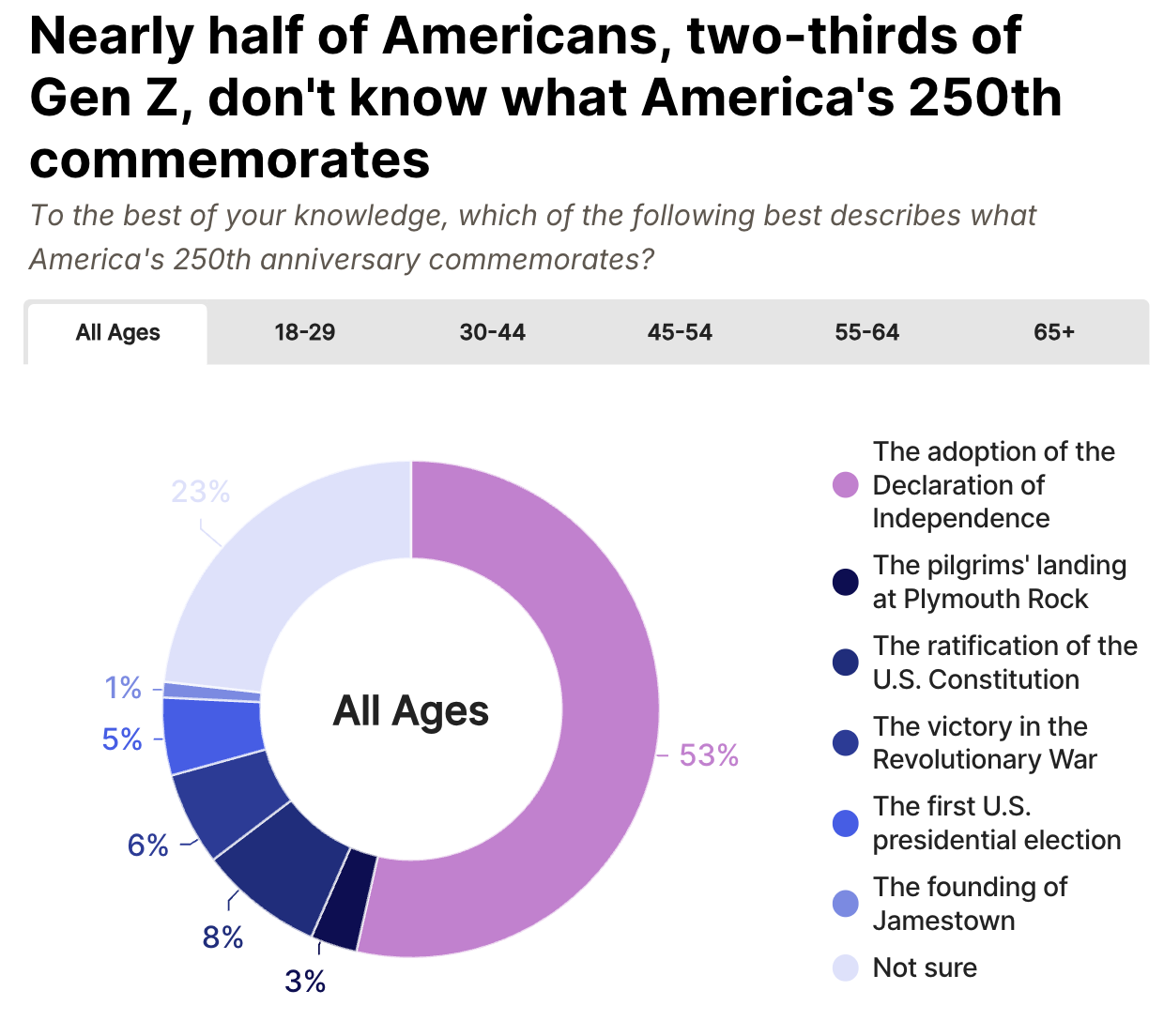
The same survey found that nearly half of Americans, and two-thirds of Gen Z, don’t know what America’s 250th anniversary actually commemorates. That is a striking thing to sit with during the anniversary year itself.
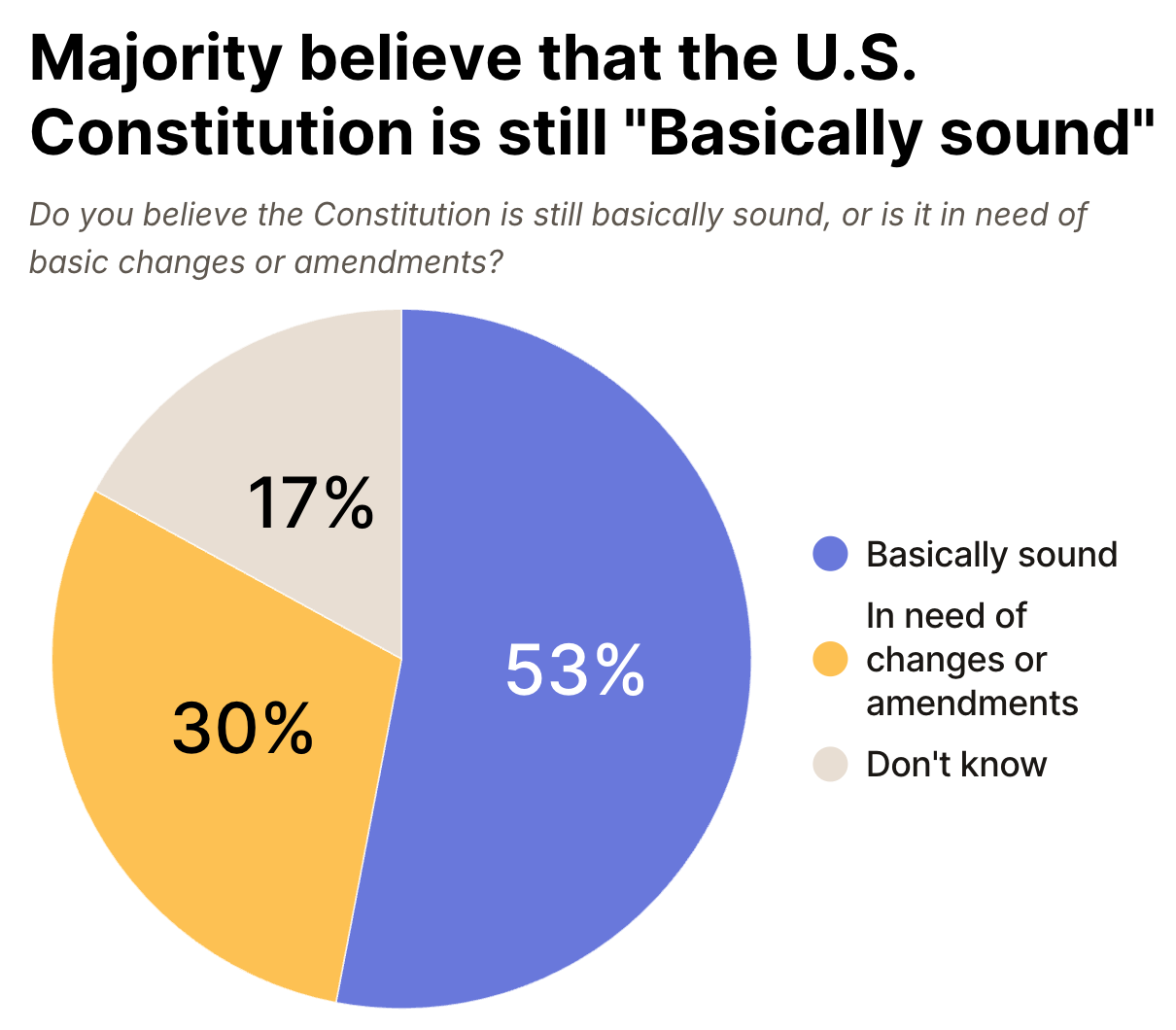
Encouragingly, the picture is not all deficit. A majority — 53% — still say the Constitution is basically sound. The interest is there. The knowledge is what’s thin, and that is a far easier problem to solve.
Start with 1776, not 1787
Here’s the thing about teaching the Constitution cold: it’s a procedural document, and procedure is dry when you don’t yet care about the people involved. Kids engage with it far better when they already know who Franklin and Madison and Jefferson were — when Independence Hall is a place they can picture rather than a name on a page.
Therefore, if you have a week before September 17, spend the first half on the Declaration and the second half on the Constitution. The founding story reads as one continuous thing that way: an argument, a failed first attempt, and then a fix.
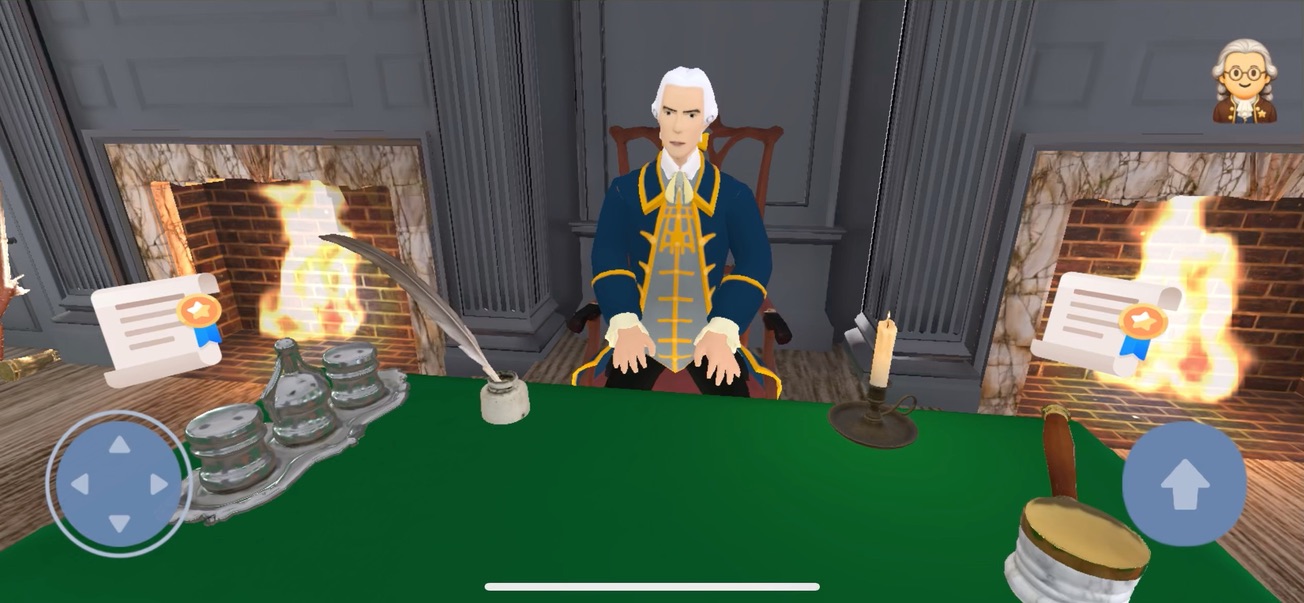
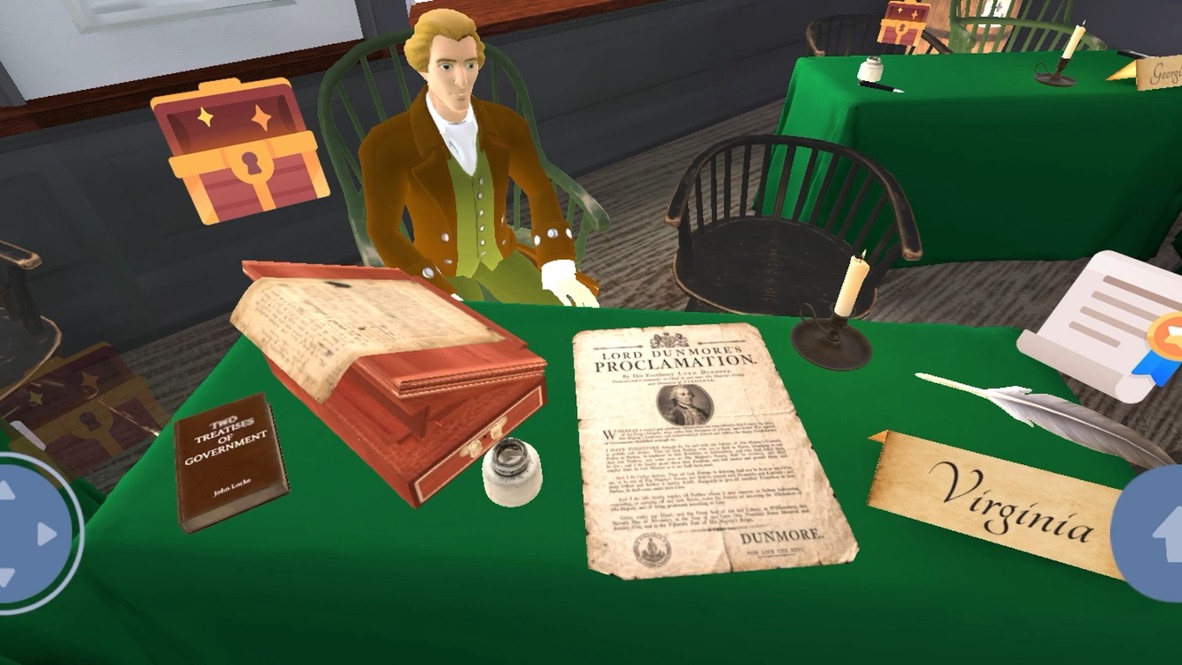
That sequencing is exactly why we built 1776. Kids walk into Independence Hall, meet the Founders, work through the wording of the Declaration alongside Jefferson, and sign it themselves — so that when you reach what happened in that same room eleven years later, they already know the room and the people in it.
It’s on iPhone and Android with a one-time $5 unlock, and there’s no subscription. With America’s 250th landing in this school year, Constitution Day is a natural place to start.
Coming up next: Declaration vs. Constitution: helping kids tell them apart
Survey data throughout is from the Cato Institute 2026 4th of July National Survey.
Immersive History builds experiences that let kids step inside the moments they’re reading about. Watch the 1776 trailer.